Alex Hughes · 14 September 2026
Navigating Seasonal Workflow Adjustments in Remote Northern Administrative Centers
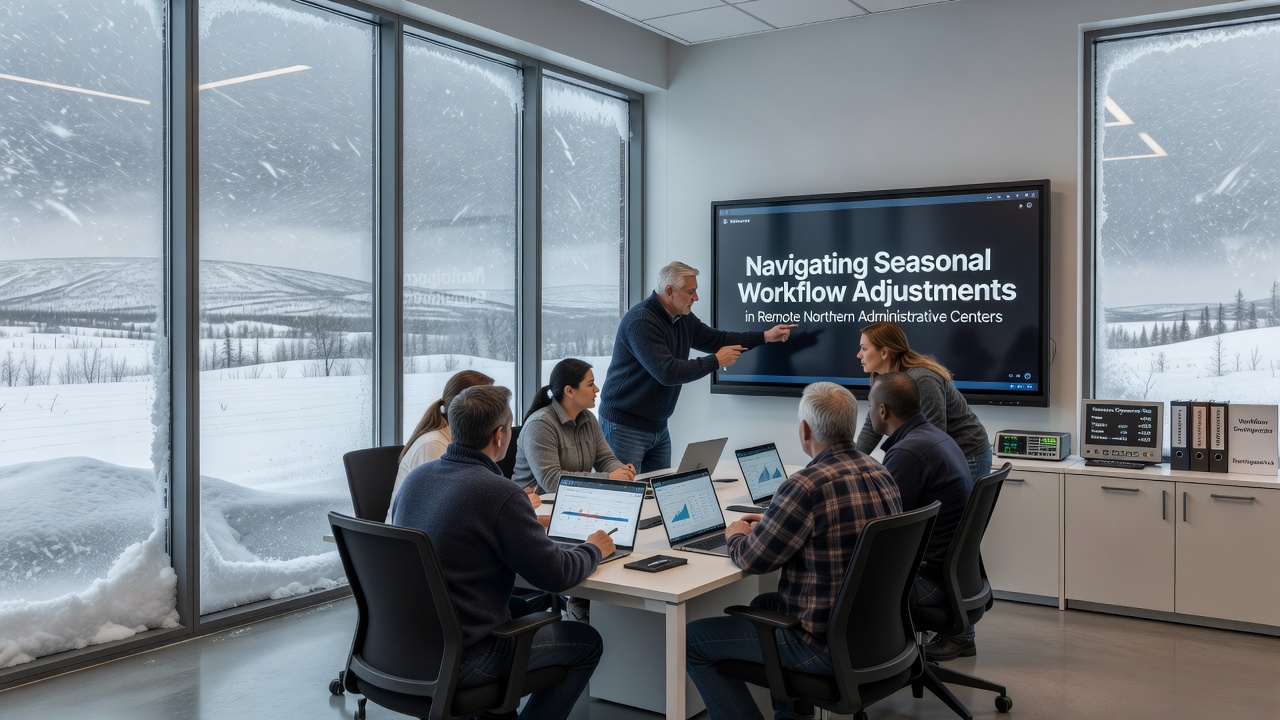
Remote northern administrative centers face distinct operational patterns tied to seasonal shifts in daylight, weather, and transportation access, with staff coordinating around extended winter periods that alter everything from meeting schedules to supply deliveries. These locations, often situated in areas like northern Canada or Alaska, rely on established protocols that account for reduced mobility during months when snow accumulation and ice roads become primary factors in logistics planning.
Core Seasonal Challenges in Administrative Operations
Winter months bring extended periods of darkness that influence energy usage, staff well-being programs, and virtual meeting timings across time zones, while data from government reports shows increased reliance on satellite communications when terrestrial networks face disruptions. Administrators coordinate with regional authorities to maintain continuity in services such as permitting, record management, and inter-agency reporting, often adjusting deadlines to align with available daylight for fieldwork or travel.
Take one northern territory office that documented workflow shifts starting in September each year, when teams begin mapping potential road closures and prioritizing digital file transfers ahead of freeze-up. This preparation phase allows departments to allocate resources toward indoor tasks that do not depend on physical site visits, creating a buffer against unpredictable weather events documented in transport ministry logs.
Communication and Scheduling Adaptations
Teams implement staggered work hours to maximize overlap during limited daylight windows, and they integrate backup systems for video conferencing when bandwidth fluctuates due to atmospheric conditions common at high latitudes. Research from northern studies indicates that these adjustments reduce delays in approval processes by aligning peak activity periods with clearer transmission windows.
Observers note that centers in regions like the Northwest Territories have developed shared calendars that flag seasonal constraints months in advance, allowing multiple agencies to synchronize submissions and avoid bottlenecks during peak snow seasons. Such coordination draws on historical weather datasets maintained by national meteorological services, which provide probabilistic forecasts for planning purposes.
Technology and Infrastructure Supports
Remote centers upgrade satellite links and local servers before winter onset to handle higher volumes of cloud-based document sharing, with investments guided by assessments from federal infrastructure programs. Data shows these enhancements support consistent access to centralized databases even when ground transport halts for weeks at a time.
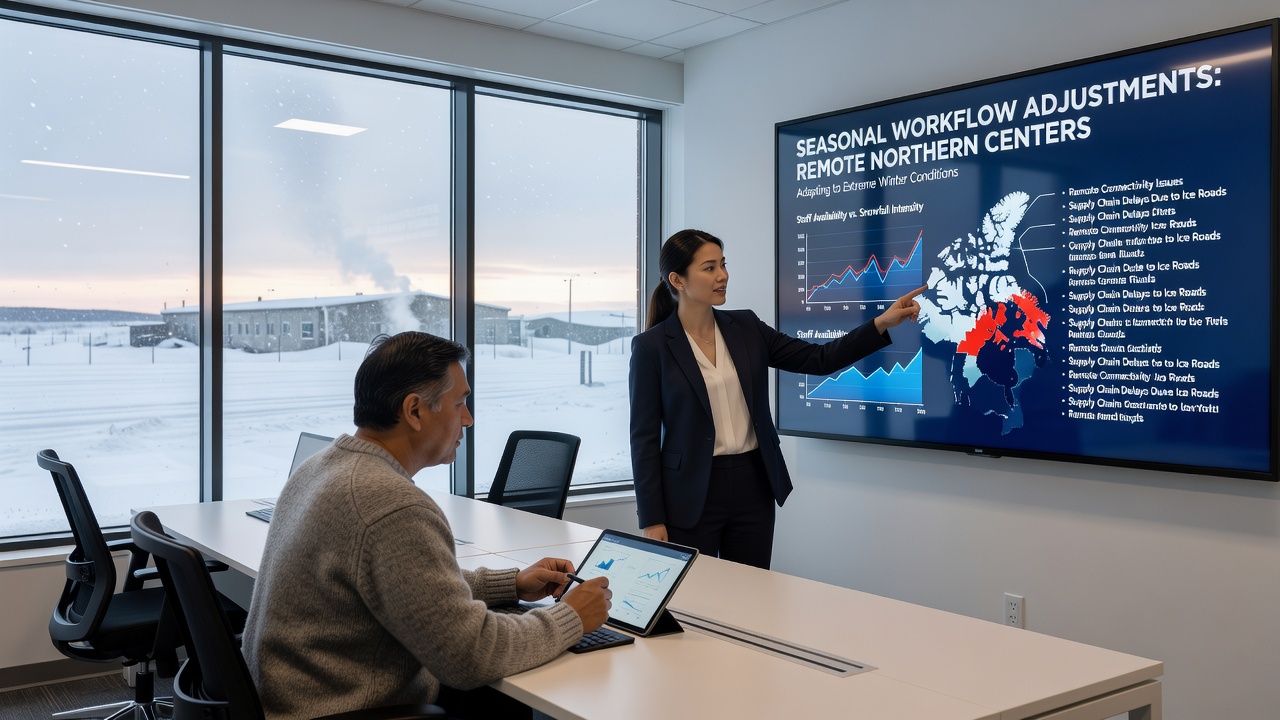
September 2026 marks the start of a new planning cycle for many of these centers, where budget reviews incorporate lessons from prior winters on equipment reliability and staff rotation patterns. Agencies cross-reference performance metrics from previous seasons with updated climate projections issued by international research bodies to refine contingency measures.
Training modules delivered through online platforms cover winter-specific scenarios such as power fluctuations and alternative routing for urgent correspondence, drawing from case examples compiled by regional administrative associations. These sessions emphasize proactive testing of redundant systems before temperatures drop below operational thresholds.
Case Examples from Northern Regions
One documented program in a Yukon administrative hub adjusted its permitting workflow by shifting in-person inspections to drone-assisted reviews during early snowfalls, shortening turnaround times compared with previous years according to internal performance summaries. Similar initiatives appear in Alaskan borough offices where staff combine satellite imagery with ground reports to maintain oversight without on-site presence during storm events.
Figures from Statistics Canada reveal steady growth in remote administrative roles across northern provinces, correlating with expanded broadband investments that mitigate some seasonal connectivity gaps. Those who track these trends point to coordinated efforts between provincial governments and federal partners in maintaining service levels year-round.
Additional adjustments include revised procurement timelines that front-load supplies ahead of ice road openings, reducing reliance on air freight during peak winter demand. Administrative records indicate these shifts have stabilized inventory levels in several centers over multiple seasons.
Conclusion
Seasonal workflow adjustments in remote northern administrative centers rest on data-driven planning, infrastructure redundancy, and cross-agency coordination that evolves with each cycle. Centers continue to refine these approaches using historical records and updated forecasts, ensuring operational continuity despite environmental constraints that define the northern context.